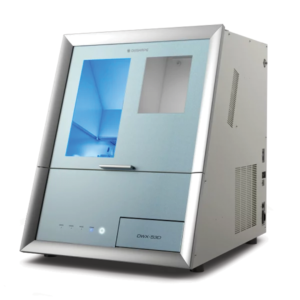
Dental Milling Machines for Dental Laboratories
Dental milling machines are an important part of digital dentistry, enabling dental laboratories to manufacture restorations and prosthetic components from computer-aided designs. Used within a dental CAD/CAM workflow, these machines shape compatible materials into products such as crowns, bridges, veneers, implant components and other dental restorations.
The choice of a dental milling machine depends on the laboratory’s production requirements, the materials being processed, the complexity of cases and the level of automation required. AGKEM offers dental milling machines from brands including XTCERA, X-MILL and DGSHAPE, with options for different laboratory workflows, including dry milling, wet milling and wet-and-dry milling.
Whether you are setting up a new dental laboratory or upgrading existing equipment, comparing machine specifications and material compatibility can help you identify a suitable solution for your digital manufacturing requirements.
Types of Dental Milling Machines
Dental milling machines are available in different configurations, with axis count and milling method being two important considerations.
4-axis dental milling machines provide linear movement and an additional rotational axis. They can suit laboratories whose routine restorations and production requirements are supported by the machine’s movement capabilities.
5-axis dental milling machines provide an additional axis of movement, allowing the cutting tool to approach the workpiece from more directions. This can offer greater flexibility when manufacturing complex geometries and selected implant-related components.
Dental milling machines can also be classified according to their milling method. Dry milling processes compatible materials without liquid coolant during machining, while wet milling uses liquid during the milling process. Wet-and-dry systems offer both capabilities, subject to the machine’s specifications and supported materials.
The right configuration depends on the restorations being produced, the materials used and the workflow followed by the laboratory.
Materials Supported by Dental Milling Machines
Material compatibility is a key factor when choosing a dental CAD/CAM milling machine. Different machines are designed to process different materials, and not every system supports every option.
- Zirconia: Commonly used for compatible crowns, bridges and other ceramic restorations.
- PMMA: Used for selected temporary restorations and other compatible dental applications.
- Wax: Used in suitable laboratory workflows, including the preparation of patterns.
- Glass ceramics: Processed using compatible milling systems and the manufacturer’s recommended workflow.
- Titanium and cobalt-chromium: Supported by selected machines designed for metal processing.
- PEEK and PEKK: Used in specific dental applications where the material and machine are compatible.
Before purchasing a dental milling machine, check the manufacturer’s supported material list, recommended milling method, workpiece dimensions and required tools. These details help determine whether a machine can accommodate your current production requirements and planned applications.
How to Choose a Dental CAD/CAM Milling Machine
Selecting a dental milling machine involves more than comparing prices or choosing the highest axis count. The equipment should fit the laboratory’s complete digital workflow.
Production requirements: Consider the types and number of cases your laboratory handles. A laboratory producing mainly zirconia crowns may have different needs from one manufacturing implant bars, metal components or restorations from multiple material types.
Axis configuration: Compare 4-axis and 5-axis systems according to the complexity of your cases and the applications supported by the machine.
Milling method: Decide whether dry milling, wet milling or a combined system is appropriate for your materials and manufacturing process.
Automation and tool capacity: Features such as automatic tool changing can reduce manual intervention during production. Compare tool capacity and automation features against your expected workload.
Software compatibility: Check that the machine works with your CAD/CAM software, supported file formats and existing digital equipment.
Installation and maintenance: Review space requirements, electrical specifications, air supply, cooling, extraction and other installation requirements specified by the manufacturer. Also consider training, maintenance, consumables and technical support.
Evaluating these factors together can help you choose a dental milling machine that suits your laboratory’s actual needs.
Dental Milling Machines Available at AGKEM
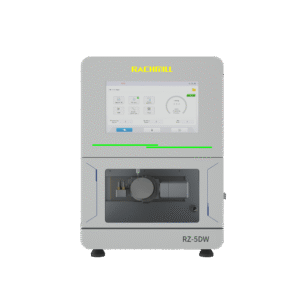
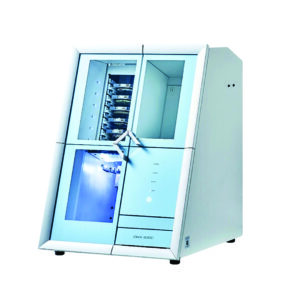
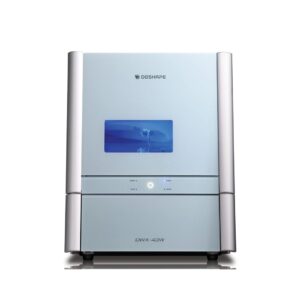
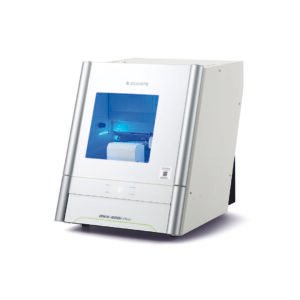
AGKEM’s dental equipment portfolio includes milling systems from XTCERA, X-MILL and DGSHAPE for different dental laboratory applications.
The D5 Wet & Dry Milling Machine is a 5-axis system listed for wet and dry milling, with support for materials including zirconia, glass ceramics and PMMA.
The X-MILL 500 PLUS is a 5-axis dry milling machine listed for zirconia, wax, PMMA and soft metal. Its stated applications include crowns, bridges, veneers, inlays, onlays, customised abutments, splints and other compatible dental components.
The X-MILL 600 is a 5-axis wet milling system listed for materials including cobalt-chromium or non-precious metals, titanium, PMMA, wax, glass ceramics and hybrid ceramics.
AGKEM also offers XTCERA and DGSHAPE milling systems with different configurations and capabilities. Product specifications, supported materials and applications vary by model, so laboratories should review the relevant product details before making a selection.
Dental Milling Machine Price in India
The price of a dental milling machine in India depends on several factors, including axis configuration, spindle specifications, milling method, automation, supported materials and software requirements.
A compact dry milling system may be suitable for one type of laboratory workflow, while a larger wet milling machine designed for additional material types may require a different investment. Automatic tool changing, accessories and other configuration options can also influence the final price.
When comparing dental milling machine prices, consider the total cost of ownership. This may include milling burs, materials, software, installation, training, maintenance and technical support. Comparing machines according to their capabilities and expected workload can help laboratories evaluate the overall value of each option.
AGKEM provides dental milling machine options for laboratories evaluating CAD/CAM equipment in India. Contact the team to discuss your application requirements and obtain pricing for a suitable configuration.