Jewellery testing machines help jewellers, gold buyers, refiners and precious metal businesses assess the composition and purity of metals. These systems can support gold testing, alloy identification, quality control and precious metal analysis, depending on the instrument and its capabilities.
AGKEM offers precious metal analysers from brands including Agkem Gold Plus, APM and Thermo Scientific Niton. The range includes benchtop analysers designed for jewellery and showroom applications, as well as handheld instruments for alloy identification and metal analysis. Businesses can compare the available systems according to their testing requirements, sample types, portability and expected workload.
A jewellery testing machine is an instrument used to analyse the composition of metals in jewellery, bullion, alloys and other compatible samples. Depending on the technology, it may help identify the metals present and estimate their relative concentrations.
X-ray fluorescence (XRF) analysers are commonly used for non-destructive precious metal analysis. They direct X-rays at a sample and measure the characteristic fluorescent signals produced by the elements present. The resulting analysis can help determine the composition of the tested area without requiring the sample to be melted or chemically dissolved.
The accuracy and suitability of a result depend on the analyser, calibration, sample condition, measurement settings and testing procedure. Businesses should select a machine designed for their intended applications.
Gold purity testing is an important part of jewellery retail, gold buying, refining and manufacturing. A gold testing machine can help assess the composition of a sample and support decisions about its purity and alloy content.
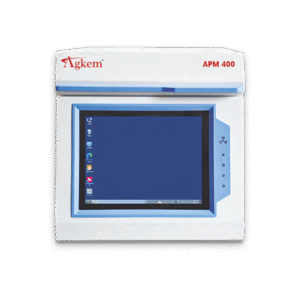
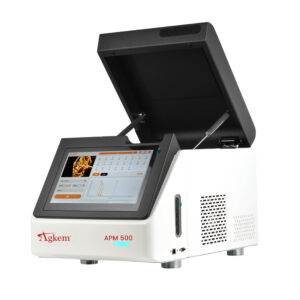
AGKEM’s product range includes the Agkem Gold Plus Precious Metal Analyzer, APM 400 SI-PIN Precious Metal Analyzer, APM 500 Precious Metal Analyzer and Thermo Scientific Niton analysers.
The Agkem Gold Plus is a compact XRF analyser designed for precious metal testing. Its published features include non-destructive analysis, a small measurement spot, integrated camera positioning and analysis of multiple precious metals. It also supports applications involving coating thickness and plating solution analysis. These capabilities may be relevant to businesses that require more than routine gold purity testing.
The appropriate machine depends on whether the primary requirement is showroom testing, cash-for-gold assessment, alloy identification, refining quality control or broader precious metal analysis.
Benchtop analysers are designed for stationary testing environments such as jewellery showrooms, gold buying counters, laboratories and quality-control facilities.
AGKEM Gold Plus and the APM 500 are examples of benchtop precious metal analysers listed in AGKEM’s catalogue. Their specifications and features differ, so compare the analytical range, sample chamber, measurement time and intended applications before selecting a model.
Handheld analysers are designed for users who need to move the instrument between testing locations or analyse samples outside a fixed workstation.
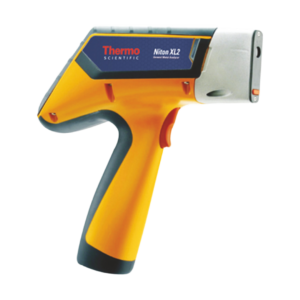
The Thermo Scientific Niton XL2 100P is a handheld analyser listed by AGKEM for alloy composition, grade identification and precious metal alloy analysis. Its published specifications include a SiPIN detector, USB and Bluetooth connectivity, and a battery-powered configuration.
A handheld instrument may suit businesses that value portability, while a benchtop model may be preferable for a dedicated showroom or testing station. The choice depends on the working environment and the samples being analysed.
Testing requirements: Identify whether you need gold purity analysis, precious metal identification, alloy composition analysis, coating thickness measurement or a combination of these applications.
Analysis range: Check which elements and materials the machine can measure. An analyser intended for precious metals may offer a different configuration from one designed for broader industrial alloy analysis.
Sample size and measurement area: Jewellery pieces vary in shape, size and surface condition. Review the measurement spot, sample chamber dimensions and positioning system to determine whether the instrument suits your products.
Testing time: Faster analysis can be useful in busy jewellery showrooms and gold buying operations. Compare the manufacturer’s stated measurement times and consider how the machine performs under your expected workload.
Portability: Choose between a benchtop and handheld analyser based on where testing takes place. Portability, battery life, sample positioning and operating conditions may all affect practical usability.
Software and reporting: Consider data storage, result reporting, connectivity and whether the instrument can generate records or certificates suitable for your business workflow.
Service and support: Before purchasing, review installation requirements, training, calibration guidance, maintenance and access to technical assistance.
The price of a jewellery testing machine in India depends on its analytical technology, detector, supported elements, sample chamber, portability, software and additional functions.
A compact benchtop precious metal analyser and a handheld alloy analyser serve different operational needs, so their prices should not be compared without considering their capabilities. Features such as broader elemental analysis, measurement accessories, reporting functions and specialised testing applications may also affect the final quotation.
When comparing gold testing machine prices, consider the complete cost of ownership, including installation, training, maintenance and technical support. Contact AGKEM to discuss the testing applications and configuration required for your business.
AGKEM’s jewellery testing category includes several options for precious metal analysis.
Specifications vary between models. Review the individual product information and confirm suitability for your intended samples before purchasing.
A jewellery testing machine analyses the composition of compatible metals and alloys. Depending on the model, it can support gold purity assessment, precious metal identification and quality-control applications.
The price depends on the analyser's technology, detector, analytical range, portability, software and included features. Contact AGKEM for a quotation based on your requirements.
An XRF gold testing machine uses X-ray fluorescence to analyse the elemental composition of a sample. It can provide non-destructive metal analysis when used with a suitable instrument and testing procedure.
XRF testing is generally non-destructive because it does not require the sample to be melted or chemically dissolved. However, results represent the area and conditions measured, which should be considered when testing plated, coated or heterogeneous items.
A benchtop precious metal analyser may suit a showroom that needs a dedicated testing station. Compare the analysis range, measurement time, sample positioning, reporting features and support available for each model.
A handheld analyser offers portability for testing in different locations, while a benchtop analyser is designed for a fixed workstation. The appropriate choice depends on the sample types, working environment and required features.
Some precious metal analysers can analyse silver, platinum, palladium and other supported elements. The exact analytical range depends on the machine and its configuration.
Testing time varies by instrument, sample and measurement settings. AGKEM's APM 500 lists selectable test times of 5 to 60 seconds.
Compare analytical range, measurement time, detector, sample size, portability, software, reporting, calibration requirements, warranty and technical support.
AGKEM offers precious metal analysers from brands including Agkem, APM and Thermo Scientific Niton. Visit the Jewellery Testing Machine category to explore the available models and compare their specifications.