Disclaimer: Only payments made via the official UPI QR code under our company name are valid. Any transactions made to other QR codes, links, or third-party accounts will not be recognized. We are not responsible for losses, fraud, or misdirected payments. Please verify our company name before completing any payment.

Dental CAD/CAM Equipment in India

Milling machines, lab and intraoral scanners, sintering furnaces, dental 3D printers and CAD/CAM materials for dental labs and digital clinics, from brands including DGSHAPE, Shining 3D, Xtcera, Champion and Elegoo.

How CAD/CAM dentistry works

CAD/CAM dentistry uses computer-aided design to plan a restoration or appliance and computer-aided manufacturing to produce it. Instead of relying entirely on conventional impressions, manual models and hand fabrication, the steps are connected digitally:

Scanning → Digital design (CAD) → CAM processing → Milling or 3D printing → Sintering / finishing

In a lab, that usually means a lab scanner, design software, a milling machine and a sintering furnace. In a clinic, an intraoral scanner captures the digital impression and sends it into the same workflow. You don't need every machine. The right setup depends on what you want to produce in-house.

CAD/CAM equipment available from AGKEM

Dental milling machines

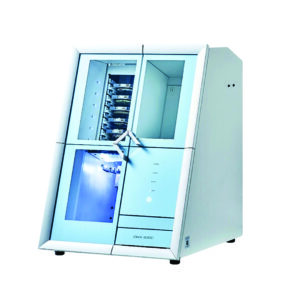
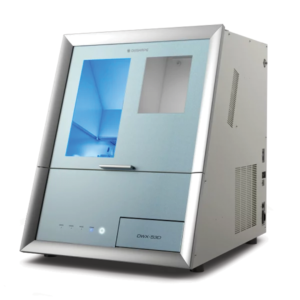
Mill restorations and components from blocks or discs. Machines differ in axes, wet or dry milling, spindle, tool capacity and supported materials.

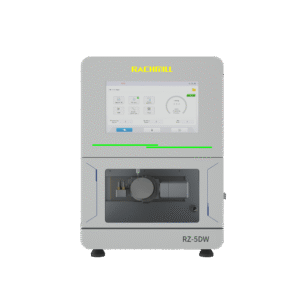
  • D5 Wet & Dry Milling Machine and RZ-5DW 5-Axis Wet & Dry
  • X-MILL 500 PLUS (5-axis dry) and X-MILL 600 (5-axis wet)
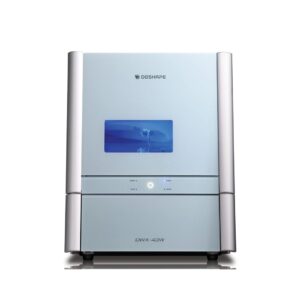
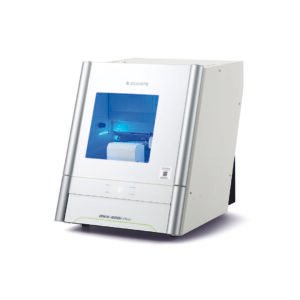
  • DGSHAPE: DWX-52D Plus, DWX-52Di Plus, DWX-52DCi Plus, DWX-53D, DWX-53DC and DWX-43W (4-axis wet)
  • Xtcera 580DC Dry Milling Machine

Scanners

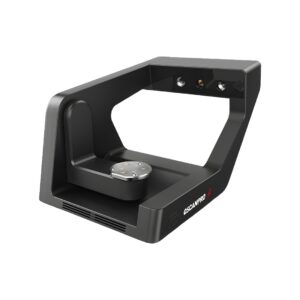
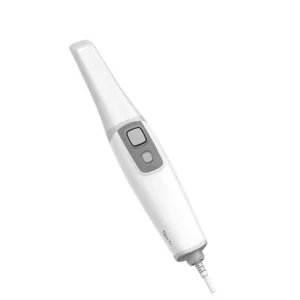
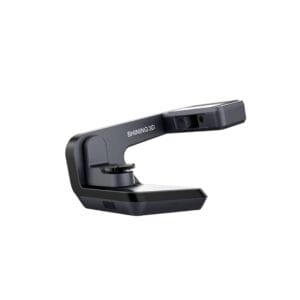
The AGKEM PRO V5 is an open-system intraoral scanner for clinics. For labs, the Shining 3D AutoScan-DS-EX Pro (H), AutoScan-DS-EX Pro and CEDU QScan Pro S digitise models, impressions, articulators and implant abutments.

Sintering furnaces

Zirconia milled in a pre-sintered state is sintered on a controlled heating cycle to reach its final properties. Options include the F2 Fast Sintering Furnace and Champion ZTCF-30B.

Dental 3D printers

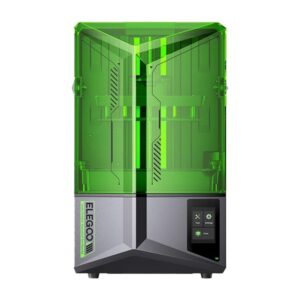
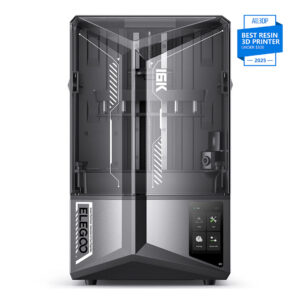
3D printers build parts layer by layer rather than milling them. AGKEM lists the Elegoo Saturn 4 12K and Saturn 4 Ultra 16K. See dental 3D printers.

Materials and extraction

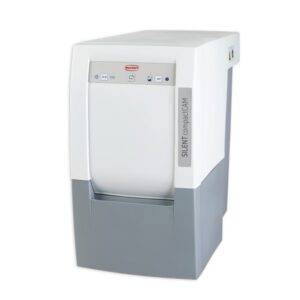
CAD/CAM discs including STAR Zirconia ST pre-shaded blanks, STAR PMMA discs and TC 600 titanium discs, plus extraction units such as the Renfert SILENT compactCAM and Xtcera Suction.

CAD/CAM buying guide

What can dental CAD/CAM produce?

Depending on equipment, software and materials: crowns, bridges, veneers, inlays and onlays, implant restorations, custom abutments, splints and retainers, dentures and denture components, implant bars, temporaries, dental models and selected orthodontic appliances.

For example, the X-MILL 500 PLUS is listed for crowns and bridges, inlays and onlays, veneers, customised abutments, splints and retainers, removable dentures, implant bars and Malo bridges.

Which materials can be milled?

Depending on the machine: zirconia, PMMA, wax, glass ceramics, composites, titanium, cobalt-chromium and other metals, PEEK and PEKK. No machine handles every material. The X-MILL 500 PLUS is listed for zirconia, wax, PMMA and soft metal; the X-MILL 600 for CoCr/NEM, titanium, PMMA, wax, glass ceramics and hybrid ceramics. Check material compatibility before axis count or speed.

4-axis vs 5-axis milling machines

A 4-axis machine adds one rotational axis to the linear axes. A 5-axis machine adds another, so the tool can reach complex geometries from more directions, which helps with implant components and challenging cases. Whether you need 5-axis depends on case volume, materials, restoration types, software, space and production requirements.

Dry milling vs wet milling

Dry milling processes compatible materials without coolant. Wet milling uses liquid during machining, typically for materials that need controlled cooling. Some machines do both: the D5 and RZ-5DW are wet and dry, the X-MILL 500 PLUS is dry, and the X-MILL 600 is wet.

How to choose CAD/CAM equipment

  1. Start with the work you produce most. A zirconia-crown lab needs something different from one making implant bars or metal frameworks.
  2. List your materials, current and planned, and match them to the manufacturer's supported list.
  3. Consider production volume. Small labs may prioritise compact systems and running costs; high-volume labs, tool capacity, automation and uptime.
  4. Plan the whole workflow – scanner, CAD and CAM software, extraction, compressor, sintering and finishing.
  5. Check open-system compatibility between scanners, software and machines.
  6. Ask about installation, training, consumables and support.

Dental CAD/CAM price in India

There's no single price. Scanners, milling machines, sintering furnaces and 3D printers sit in different price ranges, and milling machine prices vary with axes, wet or dry operation, spindle, automation, tool capacity and materials. Compare the total setup, not one machine. AGKEM can recommend equipment based on your applications, materials, volume and existing workflow.

Related categories

Dental CAD/CAM FAQs

What does CAD/CAM mean in dentistry?

Computer-aided design and computer-aided manufacturing: designing restorations, appliances and models digitally, then producing them by milling or 3D printing.

What equipment is needed for dental CAD/CAM?

Depending on the workflow: an intraoral or lab scanner, CAD/CAM software, a milling machine, a 3D printer and a sintering furnace. Many labs start with part of the workflow and outsource the rest.

Do dental labs need both a scanner and a milling machine?

Not necessarily. A lab can scan and mill in-house or use external services for either. Bringing more of the workflow in-house usually means both.

What is an open CAD/CAM system?

A setup designed for interoperability between compatible scanners, software and manufacturing equipment. Exact file formats and compatibility depend on the products involved.

Can CAD/CAM be used for zirconia and implants?

Yes. Zirconia is common in CAD/CAM, and several AGKEM milling systems list zirconia compatibility, followed by sintering. With suitable equipment and software, CAD/CAM also supports custom abutments, implant crowns, bridges and implant bars.

What is a dental sintering furnace used for?

Processing certain materials after milling. Zirconia restorations milled pre-sintered need sintering to reach their final properties.

Is 3D printing part of CAD/CAM dentistry?

Yes. It's an additive manufacturing method used for compatible dental models, appliances and other components.

How do I choose a dental milling machine?

Start with your materials, restoration types, volume, wet or dry needs, axis configuration, automation, space and software compatibility, then compare price.

How much does a dental CAD/CAM system cost in India?

It depends on the machines included, software, materials, automation and production needs. Define the workflow first, then compare quotations for the complete setup.

Planning a CAD/CAM setup? Share what you produce, the materials you use and your monthly volume. Call +91 88261 92637 or email info@agkem.com.