Disclaimer: Only payments made via the official UPI QR code under our company name are valid. Any transactions made to other QR codes, links, or third-party accounts will not be recognized. We are not responsible for losses, fraud, or misdirected payments. Please verify our company name before completing any payment.

Fussen Dentrix 50 CBCT

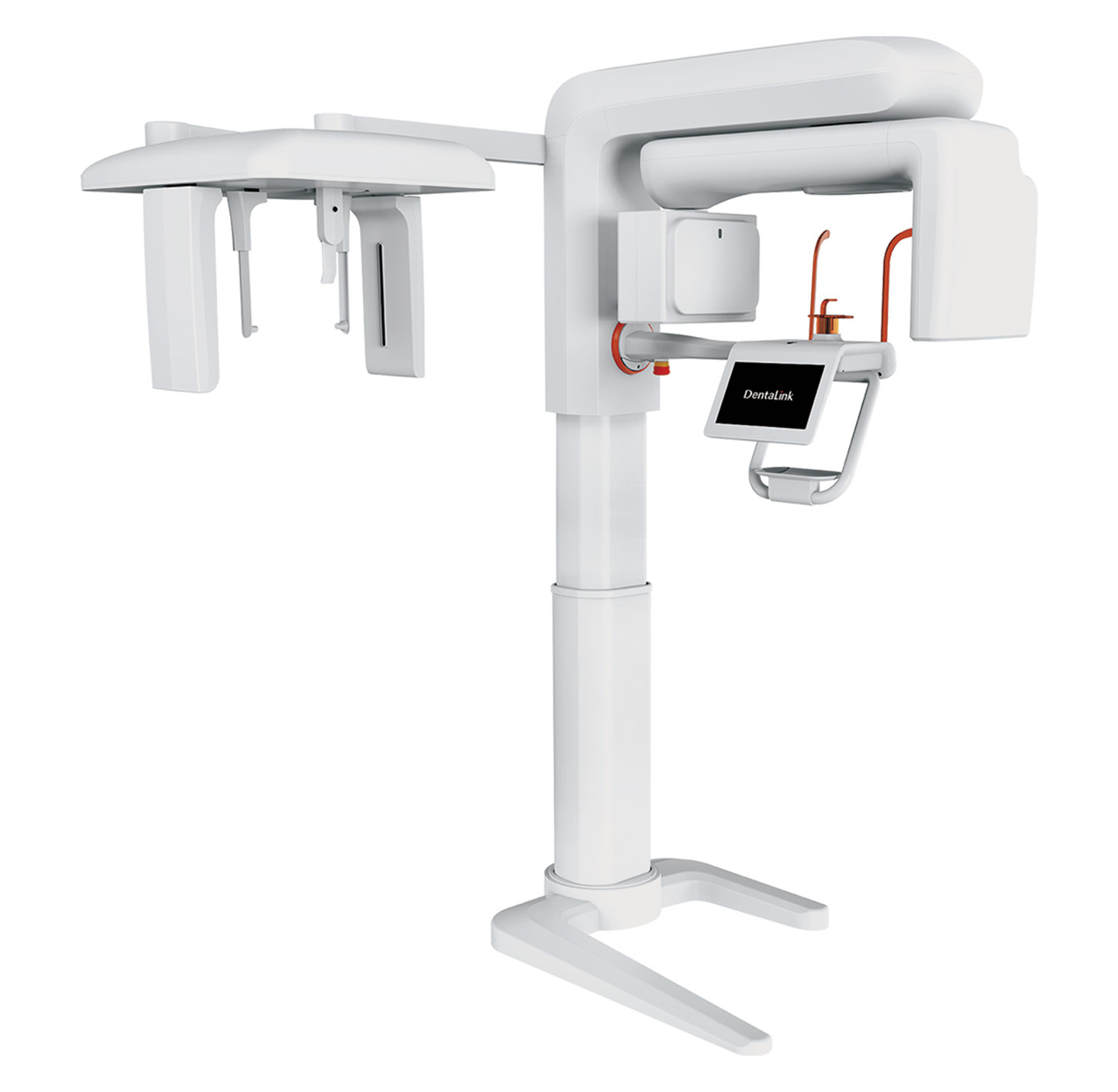
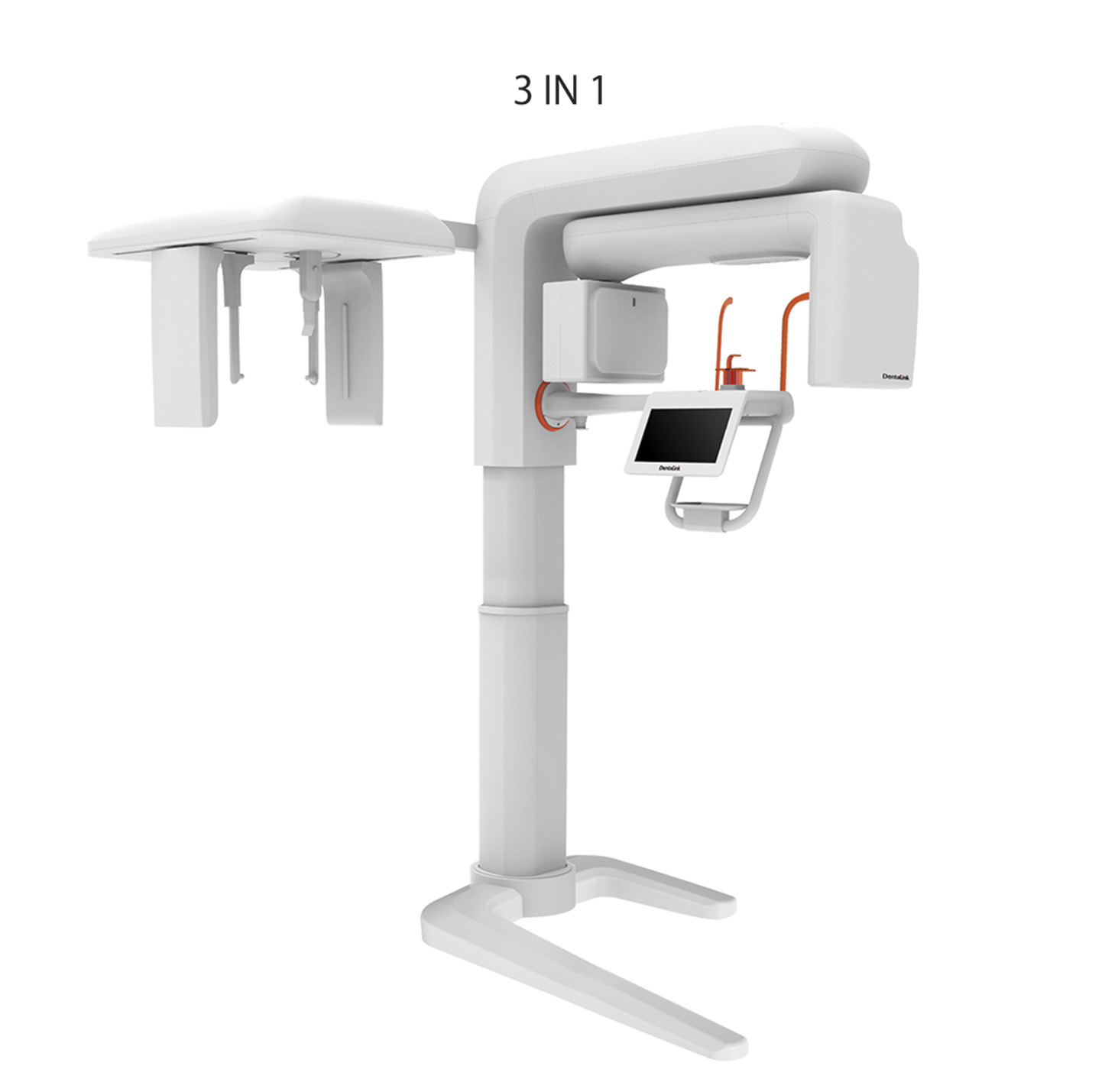
AGKEM’s Fussen Dentrix 50 AI-Based Multifunction 2-in-1 & 3-in-1 Dental CBCT is an advanced dental imaging system designed to deliver high-resolution 3D imaging, intelligent diagnostic support, and efficient clinical workflows.

Key Features

  1. Advanced Image Quality
  2. Ultra-Low-Dose Imaging
  3. AI-Powered Image Review
  4. Flexible Field of View -15 × 9 and 5 × 5
  5. High-Resolution 3D Imaging
  6. Efficient Cloud Connectivity
  7. Fast Image Reconstruction
  8. Accessible Patient Positioning


Brochure

Category

Description

AI Based And Multifunction 3-in-1 CBCT

1-Advanced Image Quality
Our intelligent high-tech solutions and algorithms ensure geometric
accuracy and high-definition images, significantly reducing noise and
artifacts.

2- High Quality Image With Ultra-Low Dose
Reduce radiation dose significantly while meeting clinical diagnostic needs,
especially for children or patients undergoing simple screening, thereby
substantially lowering patient exposure to radiation.

3- User Friendly Operation
Easy-to-operate patient positioning design ensures a smooth and fast
imaging workflow.

4- AI Based and Powerful Image Review Function
A variety of powerful AI review functions ensure efficient work and more
convenient communication between doctors and patients.

5- Efficient Cloud Functions
Reviewing and sharing 3D images anytime, anywhere, allowing doctors to
work without limitations.


SPECIFICATIONS PARAMETER
Tube Voltage 60~90 KV
Tube Current 4~10 mA
FOV(Diameter*Height) 15*9; 5*5
Focal Spot 0.5mm
Gray Scale 16 bit
Voxel 0.25; 0.2; 0.1; 0.075mm
Total Filtration 2.5mm Al
Scan Position Standing and Wheelchair
Exposure Time ≤15s
Reconstruction Time <45s
Machine Dimension 2 in 1
3 in 1
1650(L)*1060(W)*1733~2283(H)mm
1650(L)*1840(W)*1733~2283(H)mm
Recommended installation Space 2 in 1
3 in 1
1900(L)*1300(W)*2300(H)mm
1900(L)*2100(W)*2300(H)mm

Reviews

There are no reviews yet.

Be the first to review “Fussen Dentrix 50 CBCT”

Your email address will not be published. Required fields are marked *

Frequently Asked Questions

What is a CBCT machine used for in dentistry?
A CBCT (Cone Beam Computed Tomography) machine is used to create detailed 3D images of the teeth, jawbone, surrounding structures, and maxillofacial region. Unlike conventional 2D dental X-rays, CBCT allows dentists to examine anatomical structures from multiple angles.
CBCT imaging supports in dental implant planning, impacted tooth assessment, endodontic evaluation, orthodontic planning, oral surgery, jaw and bone assessment, and other cases where 3D diagnostic information is needed.
How does a dental CBCT scan work?
A dental CBCT scan works by rotating an X-ray source and detector around the patient’s head while capturing multiple images from different angles. Specialized software then combines these images to create a 3D view of the teeth, jawbone, and surrounding oral structures.
The resulting 3D images allow dentists to examine the treatment area from different angles and depths, which can support implant planning, oral surgery, endodontics, orthodontics, and other procedures requiring detailed anatomical information.
What are field of view and voxel size in CBCT?
In dental CBCT, Field of View (FOV) refers to the size of the anatomical area captured during the scan. A smaller FOV may be used for a localized region, while a larger FOV can capture a broader area such as both jaws or surrounding structures.
Voxel size refers to the size of the individual 3D pixels that make up a CBCT image. A smaller voxel size generally provides finer spatial detail, but image quality also depends on the scanner, exposure settings, reconstruction, and patient movement.
Does dental CBCT use radiation?
Yes. Dental CBCT uses X-ray radiation to create detailed 3D images of the teeth, jaws, and surrounding structures. The amount of radiation exposure varies depending on factors such as the field of view (FOV), scan settings, imaging area, and CBCT system. For this reason, CBCT should be used when clinically justified, with appropriate settings and radiation-protection principles to keep exposure as low as reasonably achievable.
Which dental clinics should consider investing in a CBCT machine?
A CBCT machine may be worth considering for dental clinics that regularly require 3D diagnostic imaging, particularly practices handling a high volume of dental implants, oral surgery, endodontics, orthodontics, and complex treatment planning.
Multi-specialty and growing dental clinics may also benefit when having in-house CBCT imaging fits their patient volume and workflow. Before investing, clinics should consider clinical demand, available space, radiation-safety requirements, image quality and FOV options, software, staff training, maintenance, and after-sales support.

Explore Categories

Testimonials

Patient Experiences That Speak for Themselves