Dental DMLS machines are used to manufacture metal dental components from digital designs through a laser-based powder-bed manufacturing process. This technology allows dental laboratories to produce selected metal frameworks, restorations and other components with complex geometries using compatible metal powders.
DMLS equipment is particularly relevant to laboratories looking to bring metal additive manufacturing into their digital production workflow. The right system depends on the components being manufactured, the alloys required, the expected production volume and the post-processing facilities available.
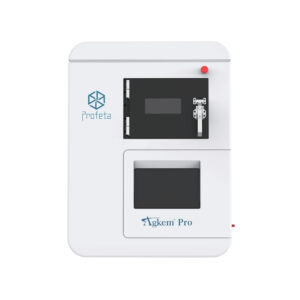
AGKEM offers metal 3D printing equipment through its DMLS category, including Profeta systems and the AGKEM Pro range. Laboratories can compare available machines according to build volume, laser configuration, supported materials and production requirements.
DMLS stands for Direct Metal Laser Sintering. It is a metal additive manufacturing process in which a laser selectively processes successive layers of metal powder according to digital manufacturing data. The layers combine to form the designed component.
Unlike a dental milling machine, which removes material from a block or disc, a DMLS printer builds the component layer by layer. This approach can support geometries and framework designs that may be difficult to produce using conventional manufacturing methods.
The final result depends on the printer, material, design, process parameters and post-processing workflow. Laboratories should confirm the manufacturer’s terminology, material specifications and validated applications when comparing metal printing systems.
Dental DMLS machines can support the production of selected metal components used in dental laboratory workflows. Applications depend on the printer, alloy and manufacturing process.
Common application areas may include:
Metal printing can be useful when a laboratory needs to produce multiple components within a build or manufacture designs with intricate geometries. However, not every DMLS machine supports every dental application. Confirm the machine’s intended uses, compatible materials and required post-processing steps before making a purchasing decision.
Selecting a DMLS machine involves more than comparing the advertised build volume or laser count. The printer should match the laboratory’s materials, applications and complete manufacturing process.
Build volume: The available build area determines the maximum space for manufacturing components in a single build. Consider the dimensions and quantity of parts you expect to produce.
Laser configuration: Single-laser and multi-laser systems differ in their configuration and potential production capabilities. Actual productivity depends on build strategy, geometry, material and process settings.
Material compatibility: Confirm whether the machine supports the metal alloys required for your applications, such as compatible cobalt-chromium or titanium alloys. Do not assume that every metal printer supports the same materials.
Layer thickness and process control: Review the available layer settings and the manufacturer’s guidance for the surface finish, dimensional requirements and applications you intend to support.
Software compatibility: Check the digital workflow from CAD design through build preparation and slicing. Confirm that your design software, file formats and production workflow are compatible with the printer.
Powder management: Metal powder handling requires appropriate procedures and equipment. Review powder recovery, sieving, storage, cleaning and occupational safety requirements before installing a system.
Post-processing: Printed components may require support removal, heat treatment, finishing, polishing or other processing according to the material and manufacturer’s workflow. Include these requirements when planning the setup.
AGKEM’s DMLS category includes metal printing systems intended for different production requirements.
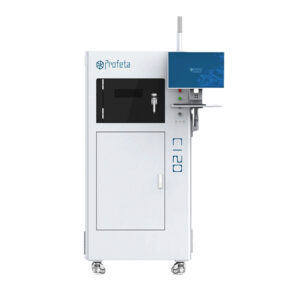
The Profeta DMLS C120 lists a build volume of 120 mm in diameter and 70 mm in height. This specification can help laboratories evaluate whether the available build area suits their intended components and production quantities.
The Profeta IE150 lists a build volume of 158 mm in diameter and 70 mm in height. Comparing build dimensions across systems helps determine how different parts can be arranged within a build.
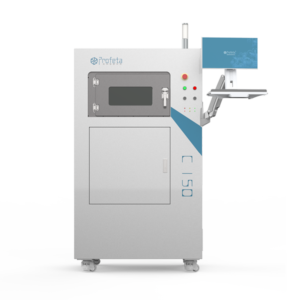
AGKEM also lists other metal 3D printing systems, including the Profeta C150 and VP100 Pro. Their configurations and capabilities should be assessed using the individual product specifications.
When comparing these machines, consider the build dimensions alongside laser configuration, material support, software, powder-handling requirements, post-processing equipment and service support. A larger build volume alone does not establish that a printer is the best choice for a particular laboratory.
DMLS printing and dental milling are different manufacturing methods, and each has applications where it may be appropriate.
Dental milling removes material from a block or disc using cutting tools. It is widely used for compatible materials such as zirconia, PMMA, glass ceramics and selected metals, depending on the machine.
DMLS builds metal components layer by layer from metal powder. It is relevant when the design and material are compatible with the printer’s manufacturing process.
The choice depends on the component being produced, material requirements, production volume, equipment availability and finishing workflow. Some laboratories may use both technologies for different types of cases rather than relying on a single manufacturing method.
The price of a dental DMLS machine in India varies according to its build volume, laser configuration, supported alloys, automation, software and included accessories.
The initial purchase price is only one part of the investment. Metal powder, shielding gas, powder-handling equipment, maintenance, installation, training and post-processing facilities can also affect the overall operating cost.
Before requesting quotations, identify the components you intend to manufacture, the materials you need and your expected production volume. This makes it easier to compare machine configurations on a like-for-like basis.
AGKEM offers metal 3D printing equipment for laboratories evaluating DMLS technology in India. Contact the team to discuss the intended applications and obtain pricing for a suitable configuration.
A dental DMLS machine uses laser-based metal powder-bed manufacturing to produce compatible dental components from digital designs.
The price depends on build volume, laser configuration, material compatibility, software, automation and included equipment. Request a quotation based on your production requirements.
Depending on the machine, compatible materials may include cobalt-chromium and titanium alloys. Check the manufacturer's approved material specifications before selecting a system.
It can be used for compatible metal frameworks, removable partial denture frameworks, copings, implant bars and other dental components supported by the printer and material.
DMLS builds components layer by layer from metal powder, while dental milling removes material from a block or disc. The appropriate method depends on the material, component design and production workflow.
The systems use different laser configurations and may offer different production capabilities. Actual output depends on the printer design, build strategy, material and component geometry.
Depending on the system, the setup may require build-preparation software, shielding gas, powder-handling equipment, cleaning tools, finishing equipment and suitable post-processing systems.
Build volume determines the space available for producing components in a build. It should be evaluated against component dimensions, production quantities and the manufacturer's recommended build strategy.
Some metal additive manufacturing systems support compatible titanium alloys. Confirm that the specific machine, material and manufacturing process are approved for the intended application.
Compare build volume, laser configuration, supported alloys, software, powder management, post-processing requirements, installation, training and after-sales support.
AGKEM offers metal 3D printing equipment through its DMLS category, including Profeta systems and the AGKEM Pro range. Review the individual product specifications to compare available options.