Frequently Asked Questions
What is the Profeta DMLS C120 3D printer?
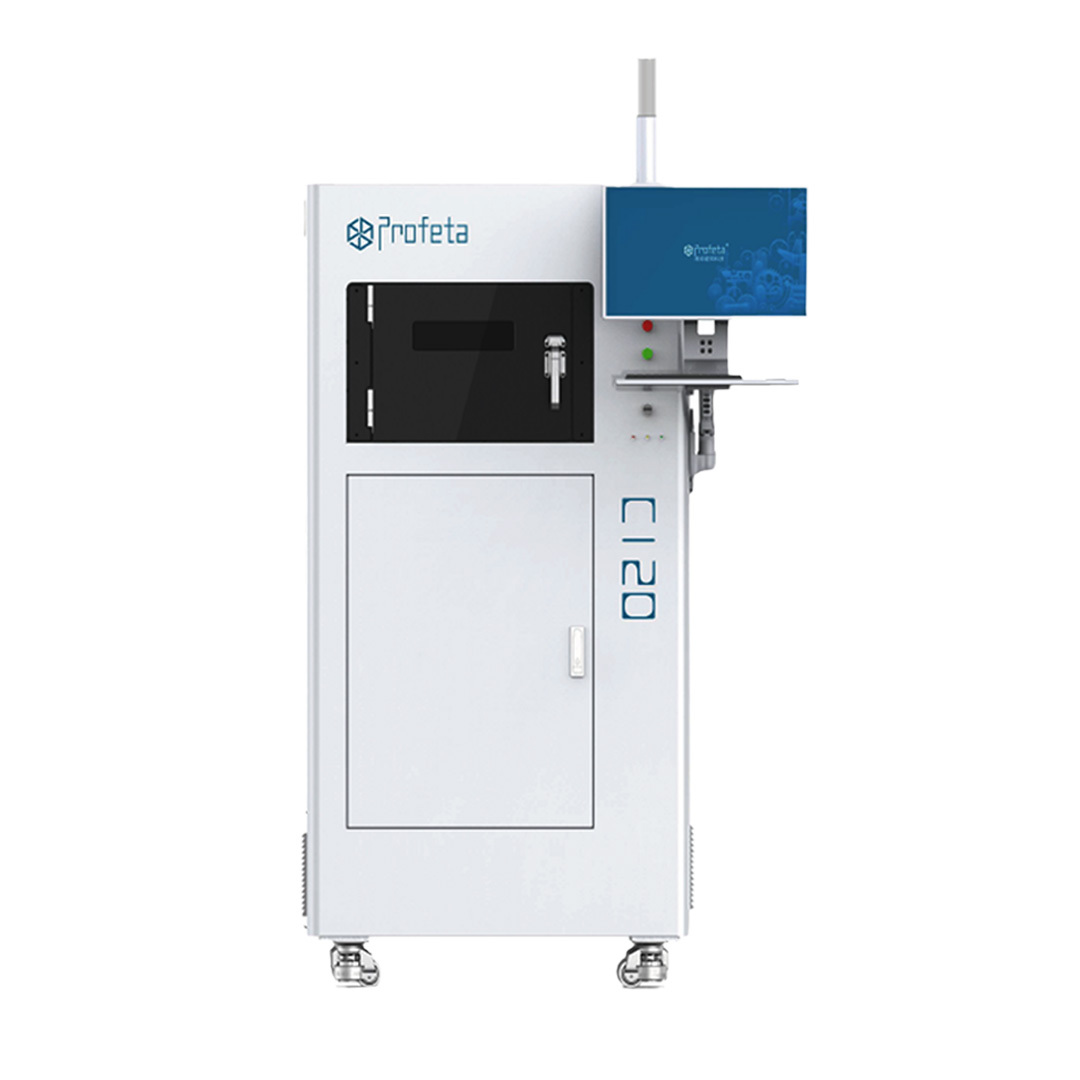
The Profeta DMLS C120 is a metal 3D printing system designed for digital dental manufacturing. It uses DMLS technology to produce metal dental components layer by layer from digital CAD designs using compatible metal powders.
It is intended for dental labs and digital production centers producing components such as crowns, bridges, copings, frameworks, and other compatible metal dental restorations. The C120 can be integrated into a digital workflow involving CAD design, metal 3D printing, and post-processing.
How does the Profeta C120 fit into a digital dental manufacturing workflow?
The Profeta DMLS C120 works as the metal manufacturing stage of a digital dental workflow. Dental restorations or frameworks are first digitally scanned and designed using CAD software, then prepared for production using compatible build-preparation software.
The C120 then manufactures the components layer by layer from compatible metal powder. After printing, the parts go through the required post-processing and finishing stages. This creates a workflow of scanning → CAD design → build preparation → DMLS printing → post-processing → finishing, allowing dental labs to manage metal production digitally in-house.
How does a DMLS 3D printer manufacture dental metal components?
A DMLS (Direct Metal Laser Sintering) 3D printer manufactures dental components by using a laser to selectively fuse fine metal powder layer by layer according to a digital CAD design.
The process typically involves CAD design → build preparation → metal powder deposition → laser processing → repeated layer building → post-processing and finishing. This method allows dental labs to manufacture complex components such as crowns, bridges, copings, and metal frameworks with consistent digital production.
Who should consider investing in the Profeta C120?
The Profeta DMLS C120 can be considered by dental labs and metal prosthetic labs looking to bring metal 3D printing into their in-house production workflow.
It is particularly relevant for dental labs that regularly manufacture crowns, bridges, copings, frameworks, and other compatible metal dental components. Before investing, dental labs should consider their daily production volume, material requirements, post-processing setup, operating costs, staff training, maintenance, and technical support.
How should a dental laboratory compare different DMLS 3D printers?
A dental lab should compare DMLS 3D printers based on build volume, laser performance, printing speed, accuracy, supported metal powders, production capacity, and software compatibility.
It is equally important to compare the complete workflow, including powder handling, inert-gas consumption, post-processing requirements, maintenance, operator training, safety features, and running costs. For long-term production, dental labs should also evaluate machine uptime, spare-parts availability, warranty, and after-sales technical support rather than choosing a printer based only on its purchase price.







Reviews
There are no reviews yet.