
If you’ve ever sat in a dental chair that creaked, wobbled, or just didn’t move the way you needed it to mid-procedure, you already know why this decision matters so much.
Choosing the right dental chair for clinic use isn’t just about ticking a box on your equipment list, it’s a decision that shapes your patients’ comfort, your own posture over long work days, and honestly, the whole vibe of your practice.
And yet, a lot of clinic owners treat it like an afterthought.
They spend weeks comparing handpieces and imaging systems, then rush the chair decision at the end when the budget’s already tight.
That’s a mistake you’ll feel in your lower back for years.
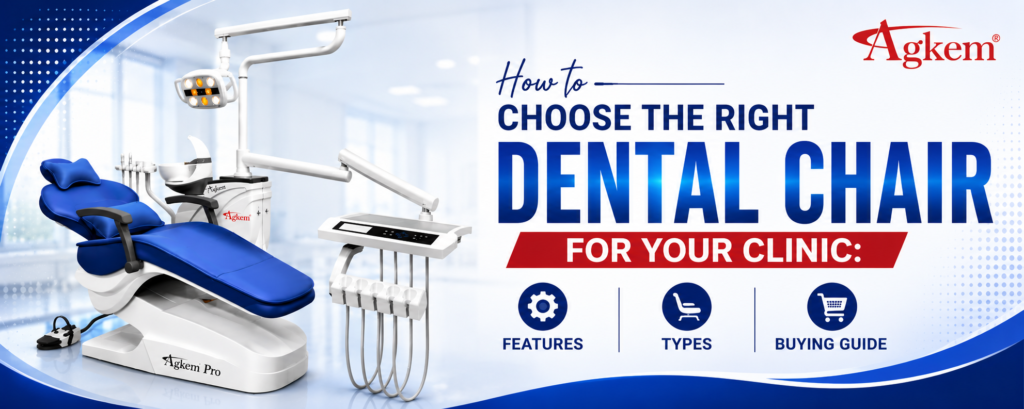
Whether you’re evaluating advanced options like the Agkem PRO or looking for a dependable everyday solution such as the Agkem NEO, understanding what to look for will help you make a confident investment.
Why the Dental Chair Deserves More Attention Than It Gets
Think about how much time you and your patients spend in that chair.
A general dentist might treat 15-20 patients a day, each spending anywhere from 20 minutes to over an hour reclined in that seat.
Multiply that across a year, and you’re looking at thousands of hours where the chair’s design directly affects clinical outcomes, patient anxiety levels, and your own physical strain.
A poorly designed chair forces you into awkward positions, which over time contributes to the neck and back problems that are shockingly common among dental professionals.
On the flip side, a well-designed chair with the right articulation and access points lets you work efficiently without twisting your spine into a pretzel.
Patients notice too. Nobody feels relaxed in a chair that looks dated or unstable and dental anxiety is already a real hurdle for a huge chunk of the population.
A modern, comfortable chair genuinely helps put people at ease before you’ve even picked up an instrument.
Types of Dental Chairs You’ll Come Across
Understanding the different types of dental chairs available is really the first step in narrowing down your options. Here’s a quick breakdown of what’s out there.
1. Traditional Hydraulic Chairs
These use hydraulic fluid to control height and positioning. They’re reliable, relatively affordable, and have been the industry standard for decades.
The downside is that movement can feel a bit less smooth compared to electromechanical alternatives, and long-term maintenance costs can add up if seals or fluid lines wear out.
2. Electromechanical Chairs
Powered by electric motors instead of hydraulics, these chairs tend to offer smoother, quieter movement and often come with programmable position memory, so you can save your preferred settings for different procedures with the push of a button.
They’re a popular middle-ground choice for clinics that want modern convenience without jumping to the top-tier price bracket.
3. Pneumatic Chairs
These rely on air pressure systems. They’re generally simpler mechanically, which can mean fewer things to break, but they sometimes offer less precise control over positioning compared to electromechanical models.
4. Specialty and Pediatric Chairs
If you run a pediatric practice, you’ll want chairs designed with smaller patients in mind, think shorter seat depth, adjustable proportions, and sometimes playful design elements that make kids feel less nervous.
Some specialty chairs are also built for bariatric patients or specific procedures like oral surgery, where extra stability and wider weight capacities matter.
5. Portable or Mobile Dental Chairs
These are worth considering if you do outreach work, mobile clinics, or house calls.
They sacrifice some of the bells and whistles of a fixed chair in exchange for portability, but modern portable units have come a long way in comfort and functionality.
Dental Chair Features That Actually Matter
When you’re comparing brochures, it’s easy to get lost in marketing buzzwords. Here are the dental chair features that genuinely make a difference day-to-day.
1. Range of Motion and Positioning
Look for a chair that offers a genuinely wide range of motion, smooth reclining, adjustable headrest angles, and the ability to get the patient into a Trendelenburg position if needed.
The smoother and quieter the motors, the less startled anxious patients will be.
2. Base Design and Access
Pay attention to how the base is designed. Some chairs have bulky bases that limit how close your stool can get, forcing you into uncomfortable reaching positions.
A slim base or one with cantilever design can make a real difference in your day-to-day comfort.
3. Upholstery Quality
This sounds minor until you’re cleaning between every single patient. Seamless, medical grade upholstery that resists cracking and is easy to disinfect will save you time and hassle compared to cheaper foam-and-vinyl combos that degrade fast.
4. Weight Capacity
Don’t just glance at this number, actually check it against your patient demographics.
A chair rated for 250 lbs or around 110 kgs might not cut it for every practice, and safety margins matter here more than almost anywhere else.
5. Integrated Delivery Systems
Many modern chairs come with (or are compatible with) integrated delivery units that hold handpieces, suction, and other tools within easy reach.
This can streamline your workflow significantly compared to separate carts.
6. Memory Positions and Foot Controls
Programmable memory settings let you jump straight to your preferred positions for different procedures, and a responsive foot control means you’re not fumbling with buttons mid-treatment.
7. Noise Level
Chairs with louder motors can genuinely spook nervous patients, especially kids. If you can, test the chair in person before buying and listen for yourself.
How to Choose a Dental Chair: A Practical Checklist
Knowing how to choose a dental chair really comes down to matching the equipment to your actual practice, not just picking whatever looks impressive in a showroom. Ask yourself:
- What’s the warranty period, and what exactly does it cover?
- Are replacement parts easy to source locally, or will you be waiting weeks for shipments?
- Does the manufacturer or dealer offer installation and staff training?
- What’s the expected lifespan based on your patient volume?
- Can you test the chair in person or see it in an existing clinic setup?
- How does the chair’s footprint fit your actual operatory dimensions?
Don’t be shy about asking for references from other clinics using the same model. A five-minute phone call with another dentist can save you from a five-year regret.
AGKEM PRO vs AGKEM NEO at a Glance
| Feature | AGKEM PRO | AGKEM NEO |
| Ideal for | High-volume and advanced dental practices | General dental practices and new clinics |
| Focus | Enhanced ergonomics and workflow efficiency | Reliable everyday performance |
| Clinical use | Suitable for complex and extended procedures | Well suited for routine dental treatments |
| Patient comfort | Designed for long treatment sessions | Comfortable and practical for daily care |
| Best choice for | Growing practices and equipment upgrades | New practice setups and general dentistry |
Looking for the Right Dental Chair? Agkem Can Help
Agkem Dental Chair
Choosing a dental chair is about more than comparing specifications.
It is also about working with a supplier who understands your clinical requirements and provides dependable support throughout the buying process.
At Agkem, we offer a carefully selected range of dental chairs, including the Agkem PRO and Agkem NEO series, designed to support the needs of modern dental practices.
Whether you’re setting up your first clinic or upgrading an existing operatory, our team can help you choose the model that best fits your workflow, budget, and clinical goals.
When you choose AGKEM, you benefit from:
- A wide selection of high-quality dental chairs from trusted manufacturers
- Expert guidance based on your clinic’s requirements
- Professional installation and product demonstrations
- Reliable after-sales service and technical support
- Access to a comprehensive range of dental clinical equipment for a complete practice setup
If you’re planning your next equipment investment, explore AGKEM’s range of dental chairs and speak with our team to find the right solution for your practice.
Conclusion
Choosing a dental chair is one of those decisions that quietly shapes your daily work life far more than it gets credit for.
It affects your posture, your patients’ comfort, your workflow efficiency, and even how professional your clinic feels to first-time visitors.
Take the time to test chairs in person, compare features and pricing honestly, and think about your practice’s specific needs rather than just going with whatever’s trending. Your back and your patients will thank you.
Frequently Asked Questions
1. What type of dental chair is best for a general dental practice?
For most general dental clinics, electromechanical dental chairs are a popular choice because they offer smooth positioning, programmable settings, ergonomic support, and reliable performance for a wide range of procedures.
2. How long does a dental chair typically last?
A high-quality dental chair can last anywhere from 10 to 15 years or more when properly maintained. Regular servicing, preventive maintenance, and timely replacement of worn components help extend its lifespan.
3. What features should I prioritise when buying a dental chair?
Focus on ergonomic design, smooth positioning, patient comfort, upholstery quality, weight capacity, integrated delivery systems, ease of maintenance, and dependable after-sales support from the supplier.
4. How much space is required to install a dental chair?
The exact space depends on the chair model and operatory layout, but there should be enough room for the dentist, assistant, patient movement, and supporting equipment. Planning the clinic layout before installation helps maximise workflow efficiency.
5. Why is ergonomics important in a dental chair?
An ergonomically designed dental chair allows dentists and assistants to maintain proper working posture during procedures. This reduces physical strain, improves accessibility to the treatment area, and contributes to better clinical efficiency over long working hours.
6. Which Agkem dental chair is right for my clinic?
The right choice depends on your clinic’s size, patient volume, and the types of procedures you perform.
Agkem PRO is well suited for practices that require advanced ergonomics and enhanced workflow efficiency, while Agkem NEO is an excellent option for general dental practices seeking reliable everyday performance and patient comfort.
Consulting with the Agkem team can help you identify the model that best matches your clinical and operational requirements.
7. Does AGKEM provide support after purchasing a dental chair?
Yes. AGKEM supports dental professionals with product guidance, installation assistance, and after-sales service, helping clinics maximise the value and performance of their equipment investment.